Sustainable fashion
The most sustainable piece is the one you don't return.
Sustainable fashion gets framed as a materials problem — organic cotton, recycled polyester, regenerative wool. Those matter. But the biggest sustainability lever in fashion is buying fewer wrong pieces in the first place. Try-on is a sustainability tool.
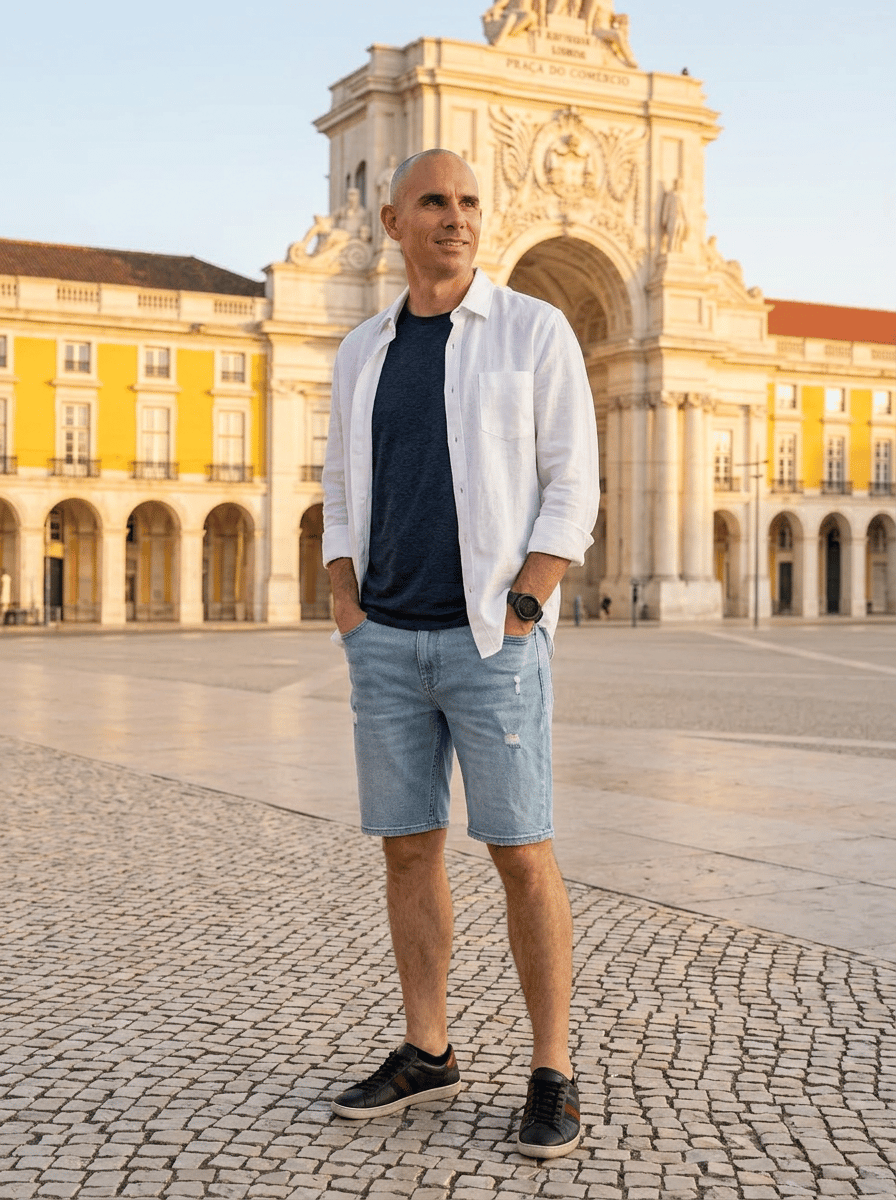
The carbon math of returns
Returns aren't free.
Where Styl10 fits
Less return cycle.
- Buy fewer pieces
- Visualization filters out the imagination-driven impulse buys. The pieces that survive the render are the ones you actually wear.
- Return fewer pieces
- When you can see how a piece sits on your body, the visual surprise factor drops dramatically. Returns shift from 'didn't look right' (the leading cause) to 'fabric or fit was off' (rarer).
- Wear what you own
- The closet + Outfit of the Day surface what you already have. The pieces that get worn become the wardrobe, not the ones that hang.
- Affiliate-aligned
- Our model is affiliate-based. We make money when you find a piece that works — not when you click impulsively. Incentives stay aligned with you wearing the piece.
What we don't solve
The materials side.
Real renders, real people
The same engine. Their wardrobe.
Every tile below is an actual Styl10 user wearing actual clothes from actual retailers. No stock photography. No model bait-and-switch.
 From Www2
Maxikleid mit Schaldetail - Puderrosa - Ladies | H&M DE
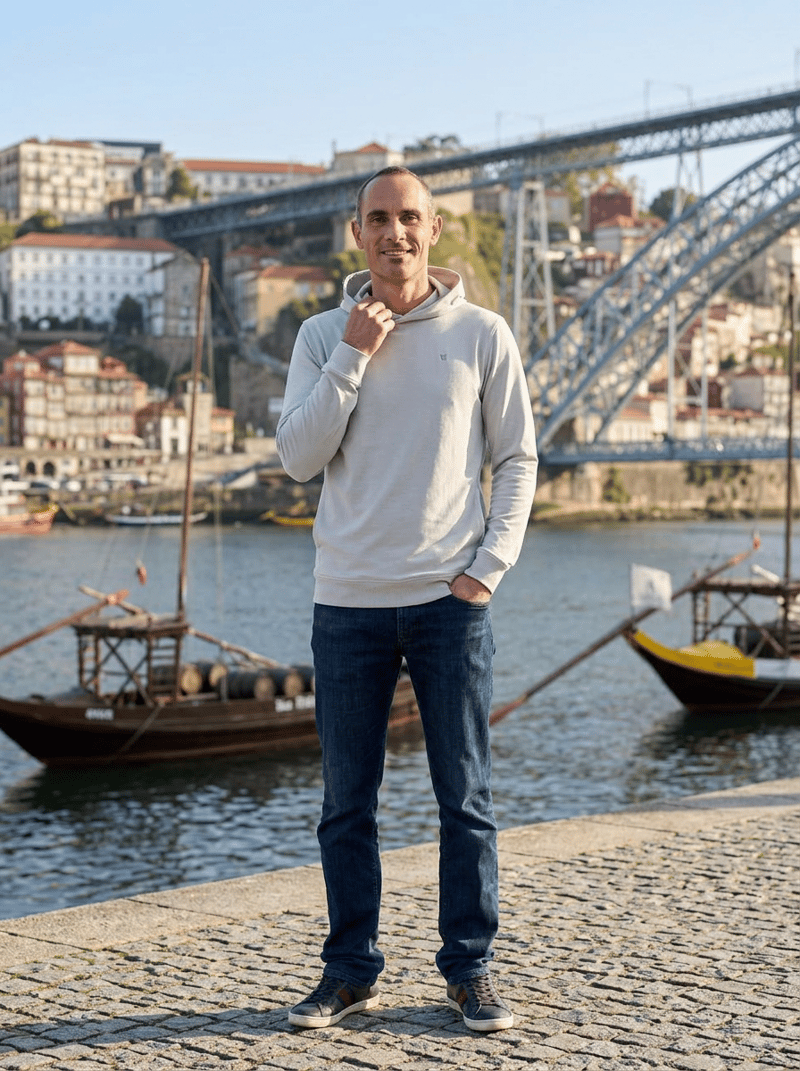 From Vuori
Ponto Pullover Hoodie
 From Pinterest
Pokee Shirt for boys
Questions people ask
Before you try it.
- Are there sustainable brands you specifically support?
- Many brands we work with have strong sustainability stories — Everlane (radical transparency), Reformation (carbon-neutral certified), Faherty (sustainable Americana), Outdoor Voices, Patagonia (industry leader). The pipeline is brand-agnostic, but the goes-with grid surfaces these brands when their pieces fit.
- How much does this actually reduce returns?
- We don't have public industry data yet, but the mechanic is straightforward: most returns are visual mismatches, and you return less when you've already seen yourself in the piece. Internal signals trend strongly that direction. The industry average return rate for online fashion sits around 25-30%; pre-purchase visualization compresses that meaningfully.
- What about the carbon cost of running the AI itself?
- A single render takes ~30-60 seconds on a hosted inference model. The marginal cost is real but tiny — under 1g CO₂e per render versus 1-3kg CO₂e for a returned package. The math favors the render by ~1,000×.
- Can I track my impact?
- Not yet. A 'pieces saved from return' counter is on the roadmap — visible signal that the tool is doing what it claims. For now the math is implicit in the count of try-ons you ran vs. orders you placed.
Two photos. One minute.
See yourself in it first.
Three free try-ons to start. Upload your face and body photos once. Paste any retailer URL. Decide with your eyes, not your imagination.
We never train on your photos. Delete anytime.